Unlocking the Gut-Heart Axis: Revolutionary Insights into Heart Disease Risk from the American Society for Microbiology
The intricate connection between our gut microbiome and cardiovascular health has emerged as a groundbreaking area of research, with the American Society for Microbiology leading the charge in uncovering critical insights. Recent studies illuminate how the vast ecosystem of microbes residing within our intestines profoundly influences the risk factors associated with coronary artery disease. Understanding these microbial messages is not just an academic exercise; it offers tangible pathways for preventing and managing heart disease. Researchers are delving into how specific gut bacteria metabolize dietary components, producing compounds that can either protect or harm our cardiovascular system. This paradigm shift emphasizes the need for a holistic approach to cardiovascular disease prevention, moving beyond traditional risk factors to include the complex interplay of our internal microbial world. The findings are pivotal, suggesting that targeted interventions aimed at modifying gut bacteria could revolutionize future cardiovascular disease treatments.

Microscopic view of various gut bacteria strains interacting within the human intestine lining
Decoding Microbial Messages: The Dietary Link to Coronary Artery Disease Revealed
The diet we consume plays an instrumental role in shaping the composition and function of our gut microbiome, directly impacting our susceptibility to coronary artery disease. A high-fat diet, for instance, can foster the growth of certain microbes that contribute to inflammation and plaque buildup, critical precursors to cardiovascular disease. Conversely, diets rich in fiber and beneficial compounds can promote a diverse and healthy gut bacterial community, offering protective effects. One intriguing area of focus involves the metabolism of specific fatty acids by gut bacteria; for example, palmitic acid, a common saturated fat, can be modulated by these microbial inhabitants. This highlights a clear dietary link to coronary artery disease, underscoring that what we eat doesn't just nourish us, but also feeds our resident microbes, dictating their influence on our heart health. Exploring resources like discover transformative summer camp experiences can provide a holistic view of well-being, even beyond specific dietary interventions, by fostering overall health from an early age.

Infographic illustrating the metabolic pathways of dietary fats processed by different gut bacteria
Essential Discoveries: Why Understanding Gut Bacteria Matters for Heart Disease Prevention
Recent essential discoveries have cemented the understanding that gut bacteria are not merely passive residents but active participants in cardiovascular disease prevention. Scientists are meticulously cataloging microbial genomes using advanced techniques like shotgun metagenomics to understand the metabolic potential of different gut microorganisms. These studies reveal how certain bacteria can produce beneficial short-chain fatty acids, which have anti-inflammatory properties, while others generate detrimental compounds like TMAO, linked to increased cardiovascular disease risk. The implications for personalized medicine are immense; tailoring dietary recommendations or even developing probiotic interventions based on an individual's unique gut microbiome profile could offer a powerful strategy against heart disease. This intricate dance between human biology and resident microbes underscores why a deeper understanding of our gut inhabitants is paramount for safeguarding heart health against pervasive threats.

Diagram illustrating the beneficial and detrimental metabolic byproducts of various gut bacteria affecting heart health
The Critical Role of Gut Microbes: Mitigating Your Heart Disease Risk Today
Mitigating your heart disease risk today involves recognizing the critical role played by gut microbes. Research has shown that an imbalance in gut bacteria can contribute to systemic inflammation, oxidative stress, and lipid abnormalities, all of which are significant risk factors for coronary artery disease. For example, certain species of gut bacteria can influence cholesterol metabolism, either by breaking it down or by contributing to its absorption. Furthermore, the communication between the gut and the immune system is profound, with healthy gut bacteria playing a key role in modulating immune responses that can prevent chronic inflammation, a known driver of cardiovascular disease. Proactive steps, such as adopting a fiber-rich diet and considering targeted probiotics, can foster a robust gut health environment, thereby actively reducing the likelihood of developing cardiovascular conditions.

Visual representation of gut microbes interacting with the intestinal wall and immune cells
Framingham Heart Study Insights: A Deeper Look into Gut Microbe Contributions to Heart Disease
The venerable Framingham Heart Study, a cornerstone of cardiovascular research, has expanded its scope to include the profound influence of gut microbes on heart disease. By analyzing stool samples from thousands of participants, researchers from institutions like the Broad Institute and Massachusetts General Hospital are uncovering specific microbial signatures associated with varying levels of cardiovascular disease risk. For instance, studies have identified correlations between the abundance of certain bacteria, such as Oscillibacter, and markers of cardiovascular health. These insights provide empirical evidence, bridging the gap between population-level observations and the intricate biological mechanisms orchestrated by gut bacteria. The integration of microbiome data into long-term cohort studies like Framingham is invaluable, offering a richer, more nuanced understanding of the pathogenesis of heart disease and paving the way for advanced preventive strategies.

Chart displaying correlations between specific gut bacteria abundance and cardiovascular risk factors from the Framingham Heart Study
Current State of Gut Bacteria Research: Pro-Inflammatory Bacteria and Cholesterol in Coronary Artery Disease
The current state of gut bacteria research is rapidly evolving, with a strong focus on understanding the mechanisms by which pro-inflammatory bacteria contribute to cholesterol accumulation and, consequently, coronary artery disease. Scientists are identifying specific microbial species that enhance the production of compounds like TMAO (trimethylamine N-oxide), a metabolite derived from dietary choline and carnitine, which is strongly linked to increased plaque buildup. Moreover, the influence of gut bacteria extends to regulating bile acid metabolism, a process crucial for cholesterol excretion. Disruptions in this microbial-bile acid axis can lead to elevated circulating cholesterol levels. This complex interplay underscores that targeting gut bacteria could be a novel approach to cholesterol management and cardiovascular disease prevention, moving beyond traditional statin therapies to address the root causes of inflammation and lipid dysregulation at the microbial level.

Scientific illustration depicting pro-inflammatory gut bacteria pathways contributing to cholesterol plaques
The Definitive Guide to Gut Bacteria, Heart Disease, and Cholesterol: Insights from the American Society for Microbiology
This definitive guide, drawing insights from the American Society for Microbiology, delves deeply into the multifaceted relationship between gut bacteria, heart disease, and cholesterol. It consolidates cutting-edge research, offering a comprehensive overview of how our internal microbial ecosystem can either exacerbate or mitigate cardiovascular risks. From understanding the metabolic pathways that influence cholesterol levels to recognizing the role of gut bacteria in systemic inflammation and blood clotting, this guide aims to empower individuals with actionable knowledge. The American Society for Microbiology's commitment to advancing microbial sciences provides a robust foundation for these insights, emphasizing the scientific rigor behind claims of the gut-heart connection. By exploring these complex interactions, we can better appreciate the holistic nature of cardiovascular health and the pivotal role of our tiny internal residents.

Comprehensive infographic showcasing the interconnections between gut bacteria, cholesterol metabolism, and heart disease
Essential Discoveries: Why Understanding Gut Bacteria Matters for Heart Disease Prevention
A first major breakthrough in gut-heart axis research involves identifying 'Jekyll and Hyde' bacteria – specific species that can exert both beneficial and detrimental effects on gut health and, by extension, cardiovascular health, depending on context. For example, some microbes might be crucial for metabolizing certain nutrients but can become problematic if their populations are imbalanced or if dietary conditions favor their pro-inflammatory activities. Understanding these dual roles is critical for developing targeted interventions. Genomicist Emily Ready from the Broad Institute, among others, has highlighted how detailed analyses of microbial genomes from fecal matter can reveal these nuanced functions. This complexity means that simply increasing ‘good’ bacteria isn’t always the answer; instead, achieving a balanced microbial ecosystem is key for optimizing gut health and preventing conditions like coronary artery disease.

Artistic representation of 'Jekyll and Hyde' bacteria, showing both beneficial and harmful aspects
Demystifying Gut Microbes: Key Concepts in Heart Disease Etiology for medical news today
For medical news today readers, demystifying gut microbes involves grasping key concepts in heart disease etiology that extend beyond traditional risk factors. Central to this understanding is the concept of dysbiosis, an imbalance in the gut microbiome that can trigger inflammatory responses throughout the body. Certain bacteria, like those from the Lachnospiraceae family, are being studied for their diverse roles in metabolism and inflammation. The interplay between host genetics, diet, and these microbial communities dictates the production of various metabolites, some of which directly impact arterial health and plaque buildup. Recognizing that heart disease isn't solely a cholesterol problem, but a systemic issue influenced by our internal ecosystem, provides a more comprehensive view of its origins. This evolving understanding highlights new avenues for both prevention and treatment.

Explanatory graphic simplifying the concept of gut dysbiosis and its link to heart disease progression
Critical Elements of human biology in Gut Health and Heart Disease
The critical elements of human biology intertwined with gut health and heart disease extend to our immune system, metabolism, and even genetic predispositions. The gut microbiome continuously interacts with the host immune system, shaping its responses to both beneficial and harmful stimuli. For instance, specific gut bacteria can influence the production of short-chain fatty acids, which act as signaling molecules that regulate immune cell function and reduce systemic inflammation. Metabolism is profoundly affected, with microbes influencing nutrient absorption, energy extraction from food, and lipid processing. Understanding these integrated biological systems is crucial for comprehending how conditions like coronary artery disease manifest, and how interventions targeting gut health can have far-reaching positive effects on overall cardiovascular health.

Detailed diagram showing the interconnectedness of the human immune system, metabolism, and gut bacteria
Important Factors: How Increased Clotting Influences Coronary Artery Disease
Increased clotting is an important factor that significantly influences coronary artery disease, and emerging research points to the unexpected role of gut bacteria in this process. Certain gut microorganisms can produce metabolites that affect platelet aggregation and blood clotting pathways. For example, some bacteria contribute to the production of pro-inflammatory compounds that can prime the endothelium, making it more susceptible to clot formation. Others may interfere with the body’s natural anticoagulant mechanisms. This discovery adds another layer of complexity to the gut-heart connection, suggesting that managing gut health could be a novel strategy for mitigating thrombotic risks associated with cardiovascular disease. Interventions aimed at modulating the gut microbiome could therefore offer new approaches to preventing severe cardiac events.

Microscopic image illustrating blood platelets aggregating, with an overlay hinting at microbial influence
The Critical Role of Gut Microbes: Mitigating Your Heart Disease Risk Today
When analyzing the American Society for Microbiology's findings for story support, it's crucial to adopt best practices that ensure accuracy and clarity for diverse audiences. This involves contextualizing scientific discoveries within broader public health narratives, highlighting the real-world implications of understanding gut bacteria's role in cardiovascular disease. For instance, explaining the intricate mechanisms by which Bacteroides thetaiotaomicron, a common gut bacterium, influences nutrient absorption and immune function requires careful simplification without overgeneralization. Providing statistics, referencing key studies like those from the Framingham Heart Study, and quoting researchers from institutions such as the Broad Institute or Massachusetts General Hospital adds credibility. Effective communication also means acknowledging ongoing research and the nuances of the gut microbiome, avoiding definitive statements where scientific understanding is still evolving.

Journalist interviewing a scientist in a lab, discussing recent microbiome research findings
Unveiling Critical Elements in Gut Bacteria and human biology
Unveiling critical elements in gut bacteria and human biology involves exploring the symbiotic relationship that has co-evolved over millennia. Our gut microbes are not just passengers; they are active partners in maintaining human health, influencing everything from nutrient synthesis to vitamin production. Key elements include the fermentation of dietary fibers into beneficial short-chain fatty acids, the synthesis of crucial vitamins like K and B, and the protection against pathogenic invaders. The diversity and stability of this microbial community are paramount for optimal gut health, which in turn reflects on systemic conditions. Disruptions, often caused by diet, antibiotics, or stress, can lead to dysbiosis, initiating a cascade of events that can impact cardiovascular health and contribute to conditions like coronary artery disease.

Microscopic diagram illustrating nutrient exchange between human gut cells and beneficial bacteria
Implementing Best Practices for Microbiome therapy in cardiovascular health
Implementing best practices for microbiome therapy in cardiovascular health requires a multi-pronged approach rooted in scientific evidence and personalized care. This includes dietary interventions focusing on prebiotics and probiotics, fecal microbiota transplantation (FMT) in specific cases, and pharmacological agents designed to modulate gut bacteria. When considering microbiome manipulation, clinicians must evaluate the individual's unique gut microbiome profile, lifestyle, and existing cardiovascular disease risk factors. For example, increasing intake of foods rich in hesperidin, a flavonoid found in citrus, can positively influence gut bacteria. Moreover, ongoing monitoring through stool samples and metabolic assays is essential to assess the efficacy and safety of these therapies. As this field advances, integrating these practices into conventional cardiovascular disease treatments will be crucial.

Flowchart detailing the steps for implementing microbiome therapy in a clinical setting for heart health
Second Major Development: Preventing Heart Disease Risk Through Optimized Gut Health and Dietary Link
The second major development in this field centers on preventing heart disease risk by actively optimizing gut health, strongly emphasizing the dietary link. This involves a proactive approach where dietary choices are leveraged to cultivate a diverse and beneficial gut microbiome. Specific food components, beyond just fiber, are being identified for their ability to promote the growth of cholesterol-metabolizing bacteria or those that produce anti-inflammatory compounds. For example, fermentable carbohydrates like lactose and xylose can nourish specific beneficial gut bacteria. This preventative paradigm shift moves beyond reactive treatments, encouraging individuals to see their daily meals as powerful tools for shaping their internal ecosystem and, by extension, safeguarding their cardiovascular health against future threats like coronary artery disease.

Image of a diverse array of healthy foods known to support a balanced gut microbiome
The Critical Role of Gut Microbes: Mitigating Your Heart Disease Risk Today
For ASM Membership and beyond, here’s a step-by-step implementation guide to enhancing gut bacteria for improved cardiovascular health. First, conduct a baseline assessment of your current dietary habits and lifestyle. Second, gradually introduce a wider variety of plant-based foods, emphasizing diverse fibers and polyphenols to feed a broad range of gut microbes. Third, consider fermented foods like yogurt or kefir, which contain beneficial resident microbes. Fourth, explore targeted probiotic supplements, perhaps even those containing specific strains shown to impact cardiovascular risk factors, after consulting a healthcare professional. Fifth, minimize processed foods, excessive sugars, and unhealthy fats, which can disrupt the delicate balance of your gut microbiome. This systematic approach fosters a robust gut health ecosystem, reducing inflammation and supporting overall heart health.

Illustrated guide showing five steps to improve gut bacteria through diet and lifestyle
The 5-Step Process to Healthier Gut Microbes and Reduced heart disease risk
Embark on a transformative journey with this 5-step process to cultivate healthier gut microbes and significantly reduce your heart disease risk. Step one involves diversifying your diet with a wide array of fruits, vegetables, and whole grains to provide varied nutrients for your gut bacteria. Step two focuses on incorporating fermented foods regularly, such as kimchi or sauerkraut, to introduce beneficial strains. Step three is about limiting artificial sweeteners and emulsifiers, which can negatively impact the gut lining and microbial balance. Step four emphasizes regular physical activity, as exercise has been shown to positively influence gut microbiome diversity. Finally, step five stresses stress management techniques, given the strong gut-brain connection and its impact on gut health and systemic inflammation, thereby offering a comprehensive approach to mitigating coronary artery disease.

Infographic detailing the 5-step process for enhancing gut microbes and reducing heart disease risk
Common Challenges in Gut Health Management for related articles
Addressing common challenges in gut health management is crucial for anyone seeking to prevent cardiovascular disease, as highlighted in related articles. One prevalent challenge is the impact of antibiotics, which can indiscriminately wipe out beneficial gut bacteria along with pathogens, leading to dysbiosis. Another challenge lies in adherence to restrictive diets, which can limit the diversity of nutrients available to support a varied microbiome. Furthermore, chronic stress and lack of sleep are often overlooked factors that profoundly affect gut health. Overcoming these hurdles requires a balanced approach, emphasizing recovery strategies post-antibiotic use, promoting dietary diversity, and integrating mindfulness and adequate rest into daily routines. These efforts are vital for maintaining optimal gut bacteria and reducing the long-term risk of heart disease.

Visual representation of various challenges impacting gut health, such as stress, antibiotics, and poor diet
Framingham Heart Study Insights: A Deeper Look into Gut Microbe Contributions to Heart Disease
For those seeking advanced techniques for gut microbe modulation, expert tips from the ASM Journal provide invaluable insights into various health conditions. Beyond basic dietary changes, interventions include precision probiotics targeting specific pathogenic microbes or augmenting beneficial ones. Fecal microbiota transplantation (FMT) is also being explored for its potential in severe cases of dysbiosis linked to cardiovascular disease. Researchers are also investigating prebiotics that specifically nourish desired bacterial strains, and even bacteriophage therapy to selectively eliminate harmful gut bacteria. These cutting-edge approaches demonstrate the rapid progression of microbiome science and its potential to revolutionize cardiovascular disease treatments by precisely manipulating the gut ecosystem. Continuous engagement with publications from the American Society for Microbiology ensures access to the latest advancements.
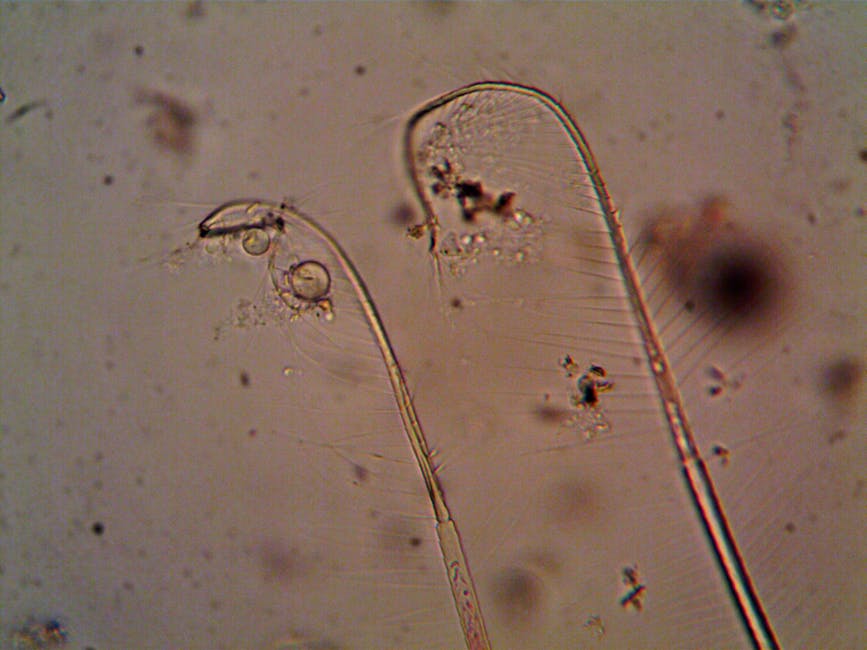
Microscopic image of bacteriophages targeting specific bacteria, illustrating advanced modulation techniques
Expert Tips: Leveraging Microbiome therapy for robust gut health
Leveraging microbiome therapy for robust gut health involves a nuanced understanding of personalized interventions, according to expert tips. This isn't a one-size-fits-all solution; rather, it requires assessing an individual's unique gut microbiome profile through advanced sequencing technologies. Based on these insights, clinicians can recommend specific probiotic strains or prebiotic fibers tailored to address imbalances contributing to conditions like coronary artery disease. For instance, some therapies focus on enhancing cholesterol-metabolizing bacteria, while others aim to reduce pro-inflammatory species. Furthermore, lifestyle modifications, including regular exercise and stress reduction, are integral to supporting the success of any microbiome therapy. The goal is to create a resilient and diverse gut ecosystem that can effectively contribute to long-term cardiovascular health.

Diagram showing personalized microbiome therapy based on individual gut profile data
Optimization Strategies for Mitigating Increased Clotting
Optimization strategies for mitigating increased clotting, particularly in the context of cardiovascular disease, are increasingly incorporating gut microbiome insights. Beyond conventional anticoagulants, researchers are exploring how specific gut bacteria influence platelet function and coagulation cascades. For example, certain microbial metabolites can either enhance or inhibit blood clotting. Strategies include dietary adjustments that favor bacteria producing anti-thrombotic compounds, or even targeted probiotic interventions designed to modulate specific clotting factors. Furthermore, reducing systemic inflammation through gut health optimization can indirectly lower clotting risk, as inflammation often primes the body for hypercoagulation. This innovative approach offers a promising complementary pathway to traditional methods for managing and preventing dangerous clotting events associated with coronary artery disease.

Infographic illustrating microbial influence on blood clotting pathways and mitigation strategies
Third Major Advancement: Future Trends in Gut Bacteria and Coronary Artery Disease for News Media Contacts
The third major advancement points to future trends in gut bacteria research concerning coronary artery disease, crucial insights for news media contacts. Expect to see a surge in personalized nutrition recommendations based on individual gut microbiome profiles, moving beyond generic dietary advice. Innovations in synthetic biology are also on the horizon, enabling the engineering of gut bacteria to produce therapeutic compounds directly within the gut, offering highly targeted interventions for cardiovascular disease. Furthermore, the integration of AI and machine learning will revolutionize data analysis, allowing for the identification of complex microbial patterns indicative of early disease onset. These trends underscore a future where our gut bacteria are not just observed but actively engineered and managed as a primary tool in preventing and treating coronary artery disease.

Futuristic graphic showing AI analyzing gut microbiome data for personalized health predictions
Framingham Heart Study Insights: A Deeper Look into Gut Microbe Contributions to Heart Disease
Compelling case studies are emerging, showcasing success stories in reducing heart disease risk through gut bacteria insights, often propelled by NIH Research. One notable example involves patients with high TMAO levels who, through targeted dietary changes and probiotic interventions, experienced significant reductions in their cardiovascular disease markers. Another case highlighted individuals with familial hypercholesterolemia who, in conjunction with conventional treatments, utilized gut microbiome modulation to enhance cholesterol excretion. These narratives provide tangible evidence of the gut-heart connection in action, demonstrating how personalized interventions focusing on gut health can complement existing cardiovascular disease treatments. Such success stories are invaluable for illustrating the practical impact of this evolving scientific understanding, offering hope and new avenues for patients and healthcare providers alike.

Before-and-after graphics from a case study illustrating improved cardiovascular markers after gut microbiome intervention
Success Stories: Real-world Impact of Gut Bacteria on human biology
The real-world impact of gut bacteria on human biology is vividly illustrated through numerous success stories, extending beyond cardiovascular health. From improvements in metabolic syndrome to enhanced immune responses against various pathogens, a healthy gut microbiome proves foundational. Patients with type 2 diabetes have shown better glucose control through interventions that optimize gut bacteria, influencing insulin sensitivity and metabolism. Similarly, in the realm of mental health, evidence suggests that modulating gut microbes can alleviate symptoms of anxiety and depression, highlighting the powerful gut-brain axis. These diverse successes underscore that gut bacteria are central to our overall well-being, influencing virtually every aspect of human biology and offering novel therapeutic targets for a wide range of conditions.

Collage of diverse individuals showing positive health outcomes attributed to gut health improvements
Lessons Learned from Related News and cancer therapy
Lessons learned from related news, especially in the context of cancer therapy, further illuminate the profound influence of gut bacteria. The efficacy of certain immunotherapies for cancer, for instance, has been strongly linked to the composition of the patient's gut microbiome. Patients with a diverse and specific bacterial profile often respond better to treatments, suggesting that gut microbes can prime the immune system to fight cancer more effectively. This cross-pollination of knowledge between different medical fields underscores the systemic impact of gut bacteria on the immune system, inflammation, and overall host response to disease and treatment. Understanding these broader implications provides valuable context for future research into coronary artery disease and other health conditions.

Infographic showing the connection between gut microbiome, immune response, and cancer therapy outcomes
Current State of Gut Bacteria Research: Pro-Inflammatory Bacteria and Cholesterol in Coronary Artery Disease
Emerging developments and predictions for gut health and heart disease will be a central theme at ASM Microbe 2026, offering a glimpse into the future of microbial science. Expect discussions on advanced diagnostics that can precisely map an individual's gut microbiome, identifying specific microbial biomarkers for early detection of cardiovascular disease. Breakthroughs in synthetic biology and CRISPR-based gene editing for gut bacteria are likely to be showcased, paving the way for revolutionary, highly targeted therapies. Furthermore, the integration of multi-omics data (genomics, proteomics, metabolomics) with clinical data will provide an unprecedented holistic view of the gut-heart axis. These discussions will highlight how microbiome research is rapidly transitioning from observational studies to interventional strategies, promising a new era in cardiovascular disease prevention and treatment.

Abstract visualization of future gut microbiome diagnostics and personalized medicine at a scientific conference
Emerging Developments: The Future of Microbiome therapy and related content
The future of microbiome therapy, as well as related content, is poised for explosive growth, moving beyond broad-spectrum probiotics to highly specific, precision-engineered microbial interventions. Expect significant advancements in next-generation probiotics, which are designed with specific functionalities to target underlying mechanisms of cardiovascular disease, such as reducing TMAO production or enhancing nitric oxide synthesis. Furthermore, fecal microbiota transplantation (FMT) techniques will become more refined and standardized, potentially moving towards 'designer' fecal transplants from carefully screened donors. The increasing understanding of bacteriophages as tools to selectively eliminate harmful gut bacteria without disturbing beneficial ones also represents a thrilling frontier. These emerging developments promise a new era of highly effective and personalized microbiome therapies.

Graphic illustrating the evolution of microbiome therapy from general probiotics to precision interventions
Revolutionary Predictions: What's Next for the Jekyll and Hyde bacteria and Funding in in other news
Revolutionary predictions point to a deeper understanding of the 'Jekyll and Hyde' bacteria, with ongoing research dissecting the exact conditions under which these microbes switch between beneficial and detrimental roles. This will involve sophisticated in vitro and in vivo models allowing for precise manipulation and observation of microbial behavior. Funding will increasingly shift towards interdisciplinary projects combining microbiology, cardiology, immunology, and computational biology, driving holistic solutions for coronary artery disease. In other news, ethical considerations surrounding microbiome manipulation and personalized medicine will also gain prominence, necessitating robust regulatory frameworks. Additionally, the role of diet as a primary modulator will continue to be emphasized, with new studies identifying specific food compounds that can predictably steer the 'Jekyll and Hyde' bacteria towards their beneficial functions.

Concept art showing a future lab with advanced microbial analysis and ethical discussions
The Ultimate Call to Action: Safeguarding Your Gut Health Against Heart Disease Risk with the American Society for Microbiology
The ultimate call to action is clear: safeguarding your gut health is a powerful, proactive step against heart disease risk, a message amplified by the American Society for Microbiology. This involves embracing a lifestyle that nurtures a diverse and balanced gut microbiome, understanding that every dietary choice and lifestyle habit contributes to this intricate ecosystem. By prioritizing gut health, you're not just preventing coronary artery disease; you're investing in holistic well-being that impacts your immune system, metabolism, and overall vitality. The scientific community, supported by organizations like the American Society for Microbiology, continues to unravel the complexities of the gut-heart axis, offering increasingly refined strategies for prevention and management. It's time to translate these groundbreaking insights into daily practices for a healthier heart and a healthier you.

Motivating image of a person making healthy lifestyle choices, emphasizing gut and heart health
Current State of Gut Bacteria Research: Pro-Inflammatory Bacteria and Cholesterol in Coronary Artery Disease
To recap the key microbial messages, the American Society for Microbiology's research unequivocally links gut bacteria to coronary artery disease through multiple pathways. We've explored how specific gut bacteria influence cholesterol metabolism, contribute to systemic inflammation, and even affect blood clotting, all critical factors in heart disease pathogenesis. The concept of 'Jekyll and Hyde' bacteria highlights the complex nature of microbial roles, where context-dependent functions dictate their impact on cardiovascular health. Dietary choices emerge as a primary modulator, emphasizing the power of food in shaping our internal ecosystem. These insights provide a robust foundation for understanding how our gut microbiome is a dynamic and influential player in our heart's destiny, demanding attention in any comprehensive strategy for cardiovascular disease prevention.

Summary infographic outlining the main connections between gut bacteria and coronary artery disease
Final Thoughts on Gut Microbes, Cholesterol, and Increased Clotting
In final thoughts, the profound interplay between gut microbes, cholesterol, and increased clotting underscores a paradigm shift in our understanding of heart disease. It's no longer sufficient to view these elements in isolation; their synergistic effects, mediated by the gut microbiome, paint a more complete picture of cardiovascular risk. The discovery that gut bacteria can influence not only cholesterol levels but also the very mechanisms of blood clotting offers promising new targets for intervention. As we move forward, integrating gut health considerations into routine cardiovascular assessments and treatment plans will become increasingly vital. This holistic perspective, championed by cutting-edge research, paves the way for innovative strategies to combat coronary artery disease more effectively, leading to better patient outcomes and public health.

Abstract representation of the gut, cholesterol, and blood clotting factors converging
First Major Breakthrough: Understanding the Jekyll and Hyde Bacteria and Their Impact on Gut Health
We extend a fervent call to action for everyone invested in microbial science and its profound impact on human health: join us by registering for ASM Microbe 2026. This premier event, organized by the American Society for Microbiology, offers an unparalleled opportunity to engage with leading experts, discover the latest breakthroughs in gut bacteria research, and network with peers. Whether you are a researcher, clinician, student, or industry professional, ASM Microbe 2026 provides a platform to deepen your understanding of the gut-heart axis, explore emerging therapies for coronary artery disease, and contribute to the collective knowledge that drives scientific advancement. Your participation is crucial in shaping the future of microbiology and its applications in preventing and treating pervasive diseases.

Banner for ASM Microbe 2026 with diverse attendees and scientific imagery
Next Steps for Promoting Gut Health and Preventing Heart Disease
For promoting gut health and preventing heart disease, the next steps involve a blend of individual action and collective scientific endeavor. On a personal level, continue to prioritize a diverse, plant-rich diet, regular physical activity, and effective stress management. Seek personalized advice from healthcare professionals regarding targeted probiotics or prebiotics. From a broader perspective, supporting ongoing research, advocating for integrated healthcare approaches, and staying informed about the latest discoveries from organizations like the American Society for Microbiology are paramount. The journey to optimal cardiovascular health through gut health is an evolving one, requiring continuous learning and adaptation. Embrace these steps to empower yourself and contribute to a healthier future for all, while remembering the rich history of wellness practices, for example, by learning about the fascinating history of Sicilian Moorish heads and their cultural significance in wellness and art.

Hand holding a seedling, representing growth and the next steps in health promotion
Additional Resources: Related Links and Popular Stories from Hindustan Times on health conditions
For those eager to delve deeper into the fascinating world of gut health and its impact on various health conditions, several additional resources are available. Explore related links from reputable scientific journals and organizations to stay updated on the latest research findings concerning gut bacteria and coronary artery disease. Publications like the American Society for Microbiology's journals offer in-depth scientific articles, while popular stories from news outlets such as the Hindustan Times provide accessible summaries of these complex topics for a broader audience. These resources often feature interviews with leading experts like Emily Ready, insights into emerging therapies, and practical advice for improving gut health. Continuous learning from a diverse range of sources ensures a comprehensive understanding of how to mitigate heart disease risk through optimizing your gut microbiome.

Stack of books and digital devices showing health-related articles and scientific journals