Unlocking the Power of a 7-Day Water Only Fast: Transformative Health Benefits
A structured 7-day water only fast can produce measurable shifts in physiology when planned and monitored carefully; water fasting emphasizes hydration, cellular recovery, and metabolic resets while reducing caloric intake. Practitioners often report improved mental clarity and increased energy after initial adaptation, but beginners must be aware of dehydration risks and fluid loss if they do not maintain consistent water intake. During a supervised 7-day water fast, drink water regularly to prevent dehydration and support kidney function; this fast can also support autophagy and flushing toxins from tissues, though medical oversight is essential for those with chronic conditions or on medication. Practical steps include morning hydration protocols, tracking water volume, and scheduling appointments with professionals to mitigate nutrient imbalances and muscle loss. For implementation frameworks and community support, consult fyneo research on fasting which offers structured resources and evidence summaries used by clinicians. Action items: establish baseline labs, increase water gradually before fasting, and use measured water bottles to maintain fluid intake.

High-resolution chart comparing metabolic markers before and after a seven-day water fast study
The Ultimate Guide to Morning Hydration and its Science Proven Effects
Morning hydration on an empty stomach can be a foundational health habit when executed with intention, improving water balance and preparing the digestive tract for nutrients. Drinking water immediately after waking helps restore fluid losses from overnight respiration and mild dehydration, aiding kidneys in concentrating urine and supporting waste removal; it also serves as a natural lubricant for intestinal function and can reduce constipation. Evidence-based routines demonstrate that consistent morning water habits can modestly boost metabolism and reduce fatigue through improved cellular hydration and circulation. To apply this in practice, measure 300–500 ml of water upon waking, wait 20–30 minutes before eating, and track urine color as a proxy for hydration status. For practical products and routines that help integrate this habit into daily life, explore Home Collective hydration strategies which highlights containers and scheduling techniques for busy routines. Monitor subjective energy, mood, and cognitive performance while adjusting fluid intake for activity and ambient temperature.

Morning routine infographic showing measured water intake with hydration checkpoints and timing
Understanding the Core Principles of Drinking Water on an Empty Stomach
Drinking water on an empty stomach leverages physiological timing to influence digestion and metabolic processes; water swallowed first thing increases gastric volume, primes intestinal function, and can speed transit slightly, which some studies connect to reduced appetite and reduced weight when combined with meal planning. On an empty stomach, water assists in flushing toxins and supports the kidneys by improving filtration and urine output, which helps prevent kidney stones and urinary tract infections in at-risk populations. Practical examples include a 500 ml pre-meal water protocol to reduce caloric intake and promote weight management, and a monitored approach for those with Gout or joint cartilage concerns who need careful hydration to reduce uric acid concentration. Track outcomes using simple metrics: body weight trends, bowel regularity, and subjective mental clarity. For curated wellness products and supporting articles on integrating water-first routines, consult interesting wellness product reviews for practical gear and evidence-based summaries.
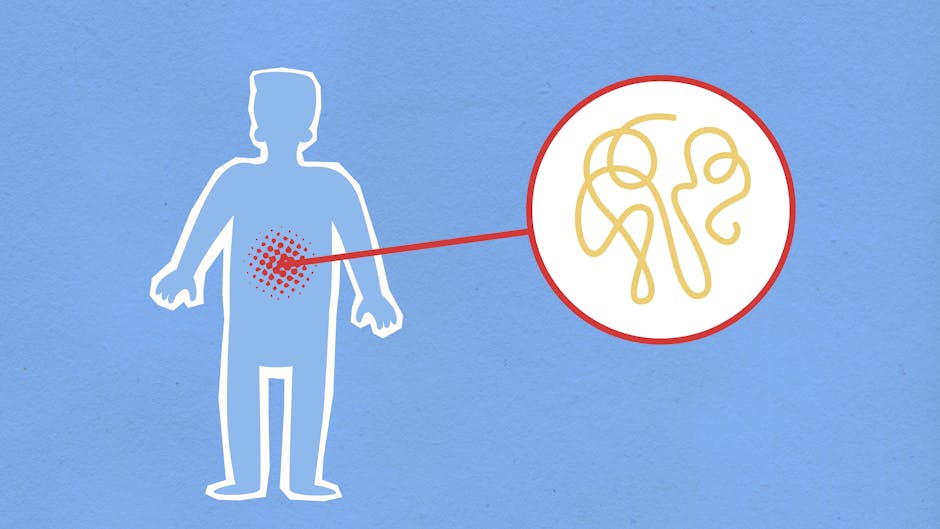
Comparative diagram showing stomach before and after measured water intake, digestive timeline and effects
Key Concepts: Why Drinking Water is Crucial for Body Hydration
Drinking water is the simplest strategy to maintain body composition, cellular health, and fluid balance; every biochemical reaction depends on adequate water as an essential nutrient. Water regulates temperature via sweat, maintains joint cartilage, and provides the medium for nutrient transport and waste removal, directly impacting skin health and hair health while reducing the risk of constipation. In practice, prioritizing drinking water throughout the day — and particularly on an Empty stomach — supports renal clearance of metabolic byproducts and flushing toxins that accumulate during sedentary periods. Clinicians recommend pairing morning hydration with electrolyte-aware choices for those doing prolonged water fasts to avoid nutrient imbalances. Action steps: use scheduled reminders, measure fluid intake against body weight targets, and adjust for Sweat losses during exercise. For digital tools that assist clinics and wellness services in tracking hydration adherence, see digital portal health resources and for institutional partnerships in healthcare infrastructure supporting water initiatives consider Sadan Investment healthcare initiatives.

Detailed schematic of body fluid compartments illustrating hydration effects and organ-specific benefits